
Guide to Building an ADU in Montclair, NJ
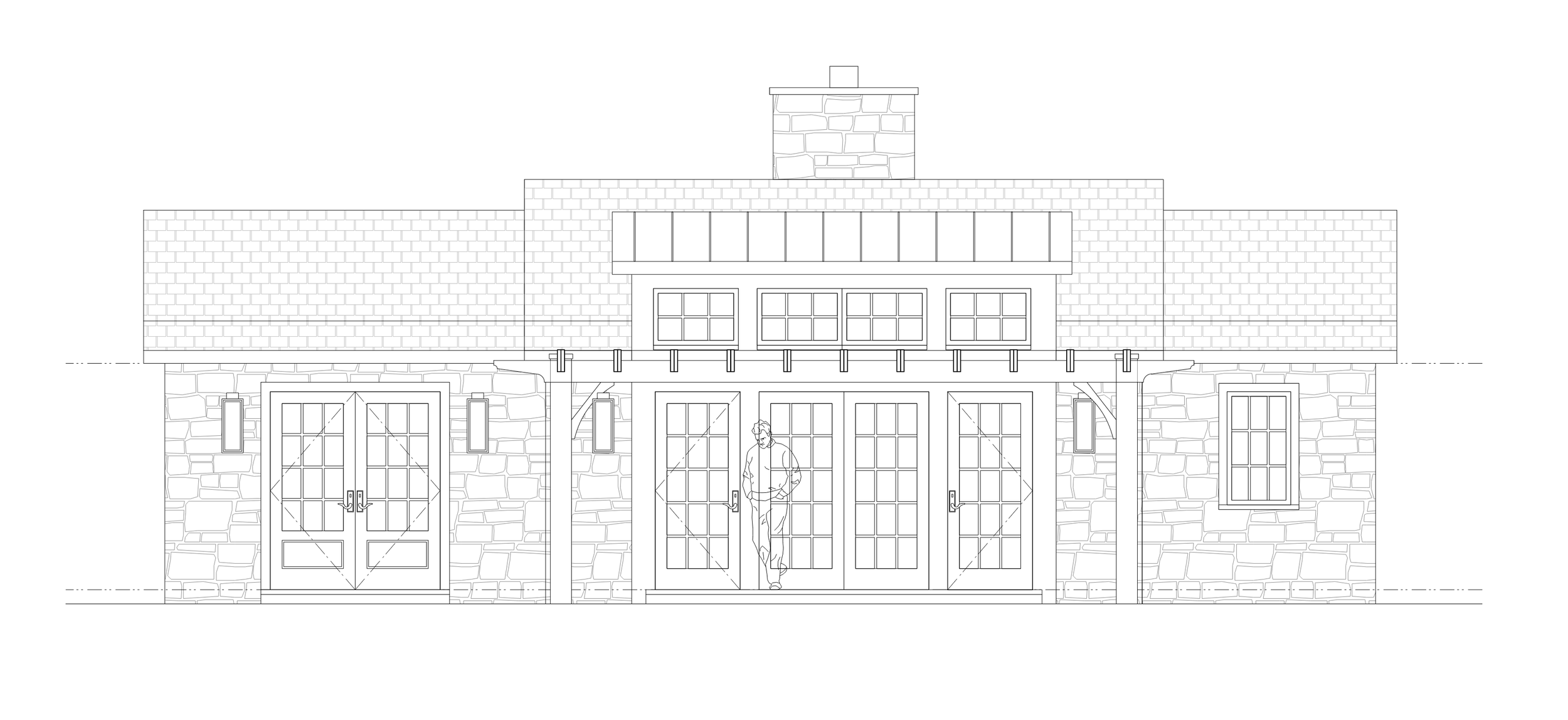
Accessory Dwelling Units (ADUs) are becoming an increasingly popular way for homeowners to expand the use of their property while potentially generating income. Whether you are looking to create space for an aging parent, provide a home for a person with a disability, or generate rental income, building an ADU can be a rewarding investment.
This guide explores the specific regulations and processes for building an ADU in Montclair, NJ, based on the latest township zoning codes.
What is an ADU?
In Montclair, an Accessory Dwelling Unit (ADU) is defined as a residential living unit located on the same parcel as a one- or two-family dwelling. These units are complete, independent living facilities that include their own kitchen and bathroom.
ADUs in Montclair can take several forms:
Detached: A standalone structure in the backyard.
Accessory Structure Conversion: A unit built within an existing detached garage or other outbuilding.
Attached/Internal: A unit that is part of an expanded or remodeled primary dwelling.
Why ADUs in Montclair?
The Montclair Township Council has established ADU regulations to meet several community goals:
Aging in Place: Providing residents with the opportunity to stay in their homes as they age.
Inclusivity: Creating adaptive living environments for people with disabilities.
Housing Supply: Increasing the supply of attainable housing while minimizing pressure on township infrastructure and schools.
Flexibility: Responding to the needs of smaller households and rising housing costs.
Where are ADUs Permitted?
ADUs are permitted as an accessory use on lots containing one- and two-family dwellings in the following zone districts:
R-O and R-O(a)
R-1
R-2
To determine the zone that your property is located within, type your address into the search bar of the Montclair Interactive Zoning Map.
An ADU is considered an Accessory Structure. In Montclair, only two Accessory Structures are permitted on a lot (in additional to the Principal Dwelling). Of those 2 Accessory Structures only one is permitted to be an ADU. Said differently, only one ADU is permitted per lot.
Montclair ADU Requirements
To receive approval from the Zoning Officer, your ADU must meet several standards regarding size, location, design and occupancy.
Ownership and Occupancy
Montclair requires that the property owner maintain their primary domicile in either the primary dwelling unit or the ADU. For two-family homes, the owner must reside in one of the three available units. Additionally, each ADU can only be used by a maximum of one family.
Size and Room Limits
Minimum Size: 300 square feet.
Maximum Size: 800 square feet, or 40% of the habitable area of the principal building—whichever is less.
Room Count: No more than three rooms, excluding the kitchen and bathroom.
Accessibility Bonus: For adaptive reuse projects, ADUs that are fully handicapped accessible under New Jersey’s Barrier Free Subcode may receive a 5% increase in total allowable floor area.
Height and Location Guidelines
Placement: Detached ADUs must be located in the rear yard.
Lot Coverage: Accessory buildings cannot occupy more than 25% of the rear yard (limited to 15% in R-O and R-O(a) zones).
Footprint: ADU’s cannot exceed 40 feet in any one direction .
Design Standards
The township ensures ADUs harmonize with the existing neighborhood character:
Materials: Attached ADUs must use exterior materials and colors that complement the primary dwelling.
Entrances: For new construction, if the ADU entrance is visible from the street, it must not face the same street as the primary dwelling’s entrance.
Privacy: No window in an ADU facing a neighboring residential property can be located within six feet of the property line.
Parking and Rentals
Parking: At least one off-street parking space must be provided for the ADU.
Lease Term: If the unit is rented, a minimum rental term of six months is required.
Garage to ADU Conversions
Converting an existing garage into an ADU is a common strategy in Montclair. This "adaptive reuse" can be cost-effective and is explicitly recognized by the code. When converting, homeowners should ensure the structure meets the New Jersey Uniform Construction Code (UCC) and the specific footprint limitations of the zone.
The Approval Process
Building an ADU requires a formal application process through the Montclair Township Department of Planning and Community Development.
Zoning Permit: You must submit an application with a recent survey (prepared by a licensed engineer or surveyor) and a proposed floor plan.
Architectural Plans: The floor plan must be drawn by a licensed architect or engineer and depict all interior and exterior changes.
Review: The Zoning Officer will schedule a meeting within 10 business days of a complete application and render a decision within 10 days after that meeting.
Deed Notice: Before a Certificate of Occupancy (CO) is issued, you must file a deed notice with Essex County indicating the limitations of the ADU’s use.
Annual Compliance: Once built, the owner must file an annual affidavit by January 1st each year to certify continued compliance with the ADU regulations.
Evaluating Investment Potential
While construction costs for a high-quality ADU can be significant, the investment often pays for itself through increased property value and potential rental income. Because the land is already owned, you avoid one of the largest costs of traditional development.
When planning your budget, consider:
Construction Costs: Similar to high-end residential work, costs can vary based on finishes and utility connections. A good starting assumption is $500 / ft. As a result, for an 800 square foot ADU x $500 / square foot construction cost = $400,000.
Property Taxes: Expect a modest increase in property taxes, though typically less than the value added by the new unit. We recommend speaking with the Town’s Accessor ahead of time to confirm the estimated increase.
Insurance: Ensure your homeowner’s policy is updated to cover the additional dwelling unit and any liability for tenants.
Next Steps
Building an ADU in Montclair is a sophisticated project that requires a deep understanding of local zoning laws and architectural harmony. By working with a licensed architect who understands the Montclair landscape, you can ensure your project meets township standards while providing a beautiful, functional living space.
If you are considering an ADU for your property, our team at JJA can guide you through the process of designing a beautiful ADU that adds enduring value to your property. To discuss your ADU project, email our team at contact@johnjamesarchitecture.com and we will schedule a call to discuss your project!